


From Citrus to Couture: How Orange Peels Are Powering a Sustainable Fashion Future
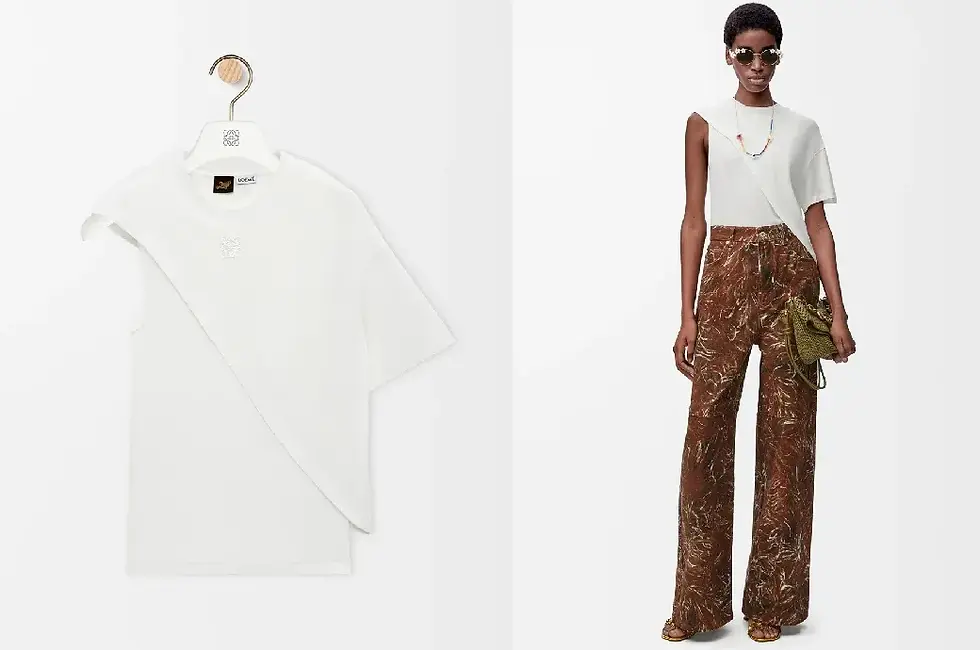
In an industry often criticised for waste and excess, a quiet revolution is taking shape, one that begins not in a design studio, but on a citrus farm. With fashion's environmental footprint now second only to oil in global CO₂ emissions, sustainability is no longer a choice; it's a mandate. And in 2025, one luxury brand is proving that innovation and elegance can be born from something as ordinary as an orange peel.
Spanish luxury house Loewe has teamed up with textile pioneers Orange Fibre and Pyratex to create a fabric made from discarded orange peels, a move that’s redefining the possibilities of eco-conscious design. The result isn’t a gimmick or marketing stunt; it’s a genuine, scalable solution rooted in science, craftsmanship, and the circular economy.
A New Life for a Global Waste Problem
Every year, the world produces over 60 million tons of oranges, and with them, an estimated 32 million tons of peel waste. Most of it ends up in landfills, compost heaps, or low-value animal feed. In Italy alone, over 700,000 tons of citrus byproduct go to waste annually. This is more than a missed opportunity, it’s an untapped resource.
Market Value & Financial Growth:
The citrus peel fiber market was valued at approximately USD 1.5 billion in 2024.
Projected to reach USD 2.8 billion by 2033, growing at a CAGR of 7.4%.
Growth is driven by the rising demand for eco-friendly textiles and expanding applications in fashion, food, cosmetics, and wellness industries.
Orange Fiber, an Italian textile startup, saw potential in this overlooked material. By extracting cellulose from citrus pulp and peels, drying them in the Sicilian sun, and processing them through patented technology, the company creates a silk-like fiber that feels as luxurious as it sounds. It’s soft, subtly tinted, and entirely biodegradable.
That’s where Pyratex enters the story. Based in Madrid, Pyratex specializes in turning unconventional raw materials into high-performance fabrics. Their work further refines the orange-derived fiber into textiles with impressive properties natural UV protection, moisture-wicking, antibacterial resistance, and thermoregulation proving that sustainability doesn’t mean sacrificing functionality or luxury.
The Loewe x Orange Fiber Collaboration
Loewe’s Paula’s Ibiza 2025 collection is the first to debut this citrus-based textile, named “Citrea.” Crafted from a blend of orange fiber and sustainably sourced wood pulp, the fabric has been used in a series of light, breathable garments designed for summer wear. But beyond the bohemian silhouettes and island aesthetics lies something much more meaningful: a new model for luxury production.
What makes this material remarkable isn’t just its origin, it’s the fact that it performs and drapes like any premium fabric. It can be dyed, printed, washed, and cut to fit the same creative visions designers are used to, while offering a lower environmental impact from start to finish.
Sustainability Without Compromise
Turning orange peels into textiles doesn’t just reduce landfill waste, it also uses less water and fewer chemicals than conventional textile production, including cotton and synthetics. The result is a truly circular material, one that starts with agricultural by-product and ends with a biodegradable garment.
Each meter of Orange Fiber fabric sells for around €30 to €40, putting it on par with other high-end sustainable fabrics. It’s not just eco-friendly, it’s economically viable for the luxury market. And that matters, because fashion’s future must be built not just on good intentions, but on functional, scalable systems that work for designers, brands, and consumers alike.
Why This Matters
This collaboration is more than just a feel-good story. It’s a template for what the next era of fashion could look like one where waste is reimagined as raw material, and environmental innovation is integrated into every seam.
It also sends a strong message: sustainability doesn’t have to be a compromise. With the right partnerships, it can become the heart of luxury itself. Loewe’s initiative shows that high fashion can be both beautiful and responsible, and that innovation can emerge from unexpected places like the rind of a fruit.
And perhaps most importantly, this breakthrough paves the way for even more material innovations from food waste. Banana fibers, seaweed textiles, and nettle yarns are no longer fringe ideas they’re part of a growing movement toward a regenerative fashion system.
A Citrus-Scented Future
Loewe’s orange peel fabric may feel like a novelty now, but its implications are anything but. With millions of tons of citrus waste generated annually, the opportunity to scale this innovation is massive. As fashion confronts its environmental reckoning, collaborations like this offer not just hope, but a practical, luxurious path forward.
In a world where waste is abundant and climate urgency is real, turning peels into premium fashion is no longer a quirky experiment. It’s a vision of the future one where sustainability is stitched into the very fabric of style.



Comments